

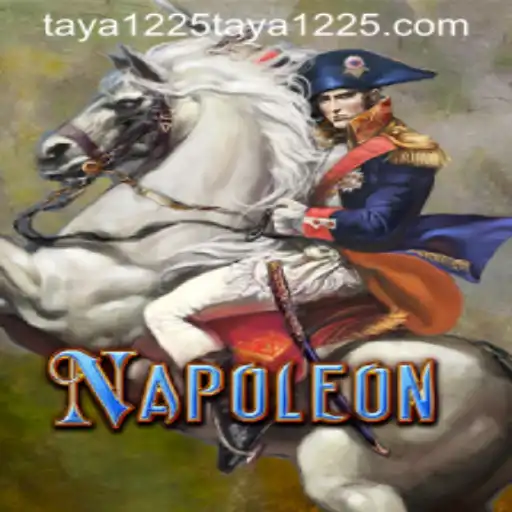

In the realm of traditional card games, Napoleon holds a distinct place. Known for its rich strategic components and engaging gameplay, this game has managed to persist through centuries. Its alluring premise not only captivates seasoned card aficionados but also entices newcomers eager to delve into its intricacies. Folklore suggests that the game draws its name from the illustrious French leader Napoleon Bonaparte, reflecting a sense of strategy and tactical maneuvering akin to that of a military campaign.
The origins of Napoleon are shrouded in mystery, but it is widely believed to have made its debut in the early 19th century. The game, similar to other trick-taking games, requires deft knowledge, strategic prowess, and a bit of luck, making it a stalwart in the card game genre. Typically played with a standard 52-card deck, Napoleon thrives in settings where strategy aficionados gather to challenge one another.
Napoleon is generally played with 3 to 7 players, offering flexibility in player engagement. The primary objective revolves around bidding, predicting, and then capturing a predetermined number of tricks. Players must use skill and strategy to outsmart their opponents, much like navigating a complex battlefield. The ability to read opponents' strategies and adapt is crucial, echoing the subtle art of warfare.
Bidding holds significant importance in Napoleon. At the start of each round, players make bids indicating the number of tricks they believe they can take. The player with the highest bid becomes the Napoleon for that round, embodying the leader figure and attempting to meet their bid. The bid winner then selects a partner, often kept secret from other players, which adds a layer of strategic depth and suspense. Fulfilling the bid results in scoring points, while failing to do so incurs penalties.
The rules of Napoleon align it closely with other trick-taking games, yet its unique features distinguish it. Throughout the game, players must navigate through a series of lay-offs, following suit preferences, and much more.
Napoleon employs a standard 52-card deck. Each card's rank and suit wield significance, with the trump suit, determined by the bid, holding supreme power. Occasionally, the joker is included, adding additional nuance to the game as the highest-ranking card.
Each round presents a series of states. Players bid, declare trumps, and play ascertain tricks. Strategies evolve rapidly, with players mustering every ounce of strategic foresight to capture the necessary tricks. Players must remain vigilant, making mental notes of cards played and anticipating opponents' moves.
Napoleon’s scoring system rewards successful bids. If the Napoleon and their chosen partner achieve their bid, points are awarded; if not, they face deductions. This dynamic encourages strategic risk-taking and cooperative partnership. Building a rapport with partners while maintaining an air of unpredictability shrouds the game in thrilling uncertainty.
In recent years, the digital age has introduced a modern spin on Napoleon, with Taya1225 spearheading innovative adaptations. This evolution retains the classic charm yet innovates to captivate newer audiences accustomed to digital interfaces.
As online platforms continue to burgeon, classics like Napoleon have found rejuvenation digitally. Developers such as Taya1225 have created various apps and online versions, making it effortlessly accessible. These modern editions often incorporate additional features such as AI opponents, customizable rules, and worldwide leaderboards, enhancing the traditional experience.
The digital transformations by developers like Taya1225 offer an sive experience, allowing players across the globe to engage in Napoleon. The accessibility imbued by online platforms assists in uniting diverse players, democratizing access to this revered game. Enhanced interfaces also cater to visually-impaired and differently-abled players by providing adjustable settings.
The continually evolving nature of Napoleon mirrors contemporary currents seen in fields such as politics, economics, and global networking. The game’s enduring popularity and adaptability symbolize the innate human penchant for strategy, competition, and intellectual advancement.
In international summits or local neighborhood gatherings, Napoleon serves as a microcosm for strategic planning and decision-making. As technology dives deeper into everyday life, the blend of traditional and digital experiences embodies the future of gaming culture.

Discover the thrilling world of Hotpot, a game that blends strategy and rapid decision-making, capturing the essence of innovative gaming trends.
Discover the captivating universe of GaneshaFortune where spirituality meets adventure, guided by the symbolic power of Taya1225.

Explore the captivating world of EraOfDragons, a game that beckons adventurers with its unique blend of fantasy and strategy.
Dive into the immersive world of EmpireGold, where strategy, alliances, and dominance pave the path to glory. Discover its intricacies with the keyword Taya1225 and explore how this game aligns with current events.

Dive into the innovative virtual world of RaveClub, guided by the famed Taya1225. Explore its vibrant gameplay, dynamic community experiences, and unique rules that set it apart in modern gaming.

Discover the enchanting world of YummyTrickorTreat, a captivating Halloween-themed game that combines the excitement of trick-or-treating with strategic challenges.
